Do you know a standard inspection skips your sewer line? Many buyers learn this after closing, and it hurts. A good home inspection checklist prevents the surprise. It tells you what to check and what to ask.
You will see costs, add-on tests, and next steps. We also cover appraisals, contingencies, and repair requests. Buyers in Virginia, D,C and Maryland ask us these often. We write from a lender’s view with real answers. Read it before you book your inspector.
Table of Contents
ToggleYour Home Inspection Checklist for the Big Systems
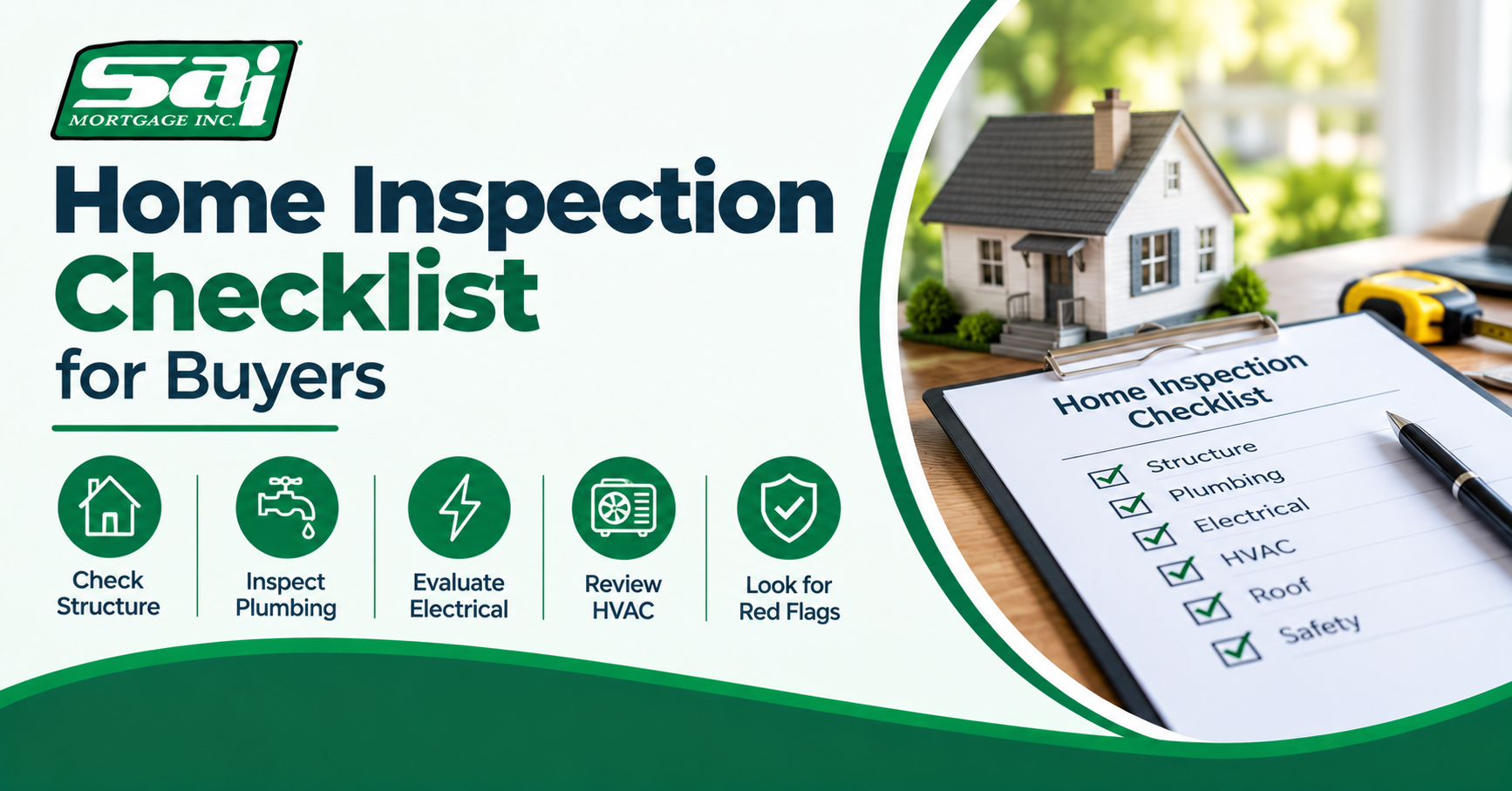
Start with the big items. Print the list and bring a pen. Your home inspection checklist should cover these five areas first. Inspectors spend most of their time here. Repairs here cost the most.
- Roof and Gutters: Home inspectors usually look for several types of roof issues and problems. They check for missing or torn shingles, sagging rooflines,es and clogged gutters. Water damage will start from this place if it’s not controlled. It can spread pretty fast as well. Find out when the roof was last replaced.
- Plumbing and Water Heater: First of all, make sure that you run all the taps and flush every toilet. Be careful with pressure and don’t forget to have a look under the sink for any signs of water. It is essential to be aware of how old your water heater is. On average, they last for an eight- to twelve-year period.
- Electrical and HVAC: The first thing to do is to test each wall outlet. Next, look carefully at the fuse box for any evidence of scorching. It will be useful to know how long ago the furnace and air conditioner were replaced, since these devices together cost thousands of dollars and may need to be completely replaced.
- Attic and Crawl Space: There may be a variety of things that could cause problems here. These include damp insulation or the presence of a musty odor. Pest inspection is one of the most efficient methods of detecting insect damage. The presence of wood rot or mud tubes can be quite telling if there is a problem. They are considered red flags or warning signs.
What Happens on Inspection Day
Plan for two to three hours. Your home inspection checklist works best when you tag along. It keeps you focused on real problems. Bring a notepad and ask questions as you go. Wear shoes made for walking. The inspector climbs ladders, and you should follow. Most visits follow the same steps. The inspector starts outside, then moves inside. The attic comes last.
What Do Home Inspectors Look For
Inspectors check the roof, plumbing, wiring, heating and cooling. They also check floors, windows, doors, and the structure. They do not open walls. They report only what they see. They test switches, taps, and appliances. Most reports arrive within one or two days, with photos. Read the summary page first. Then read the details.
Should You Attend the Inspection
Yes, go. Ask the inspector to point out each problem in person. You learn which fixes are small. You also learn which ones cost real money. A report alone hides the true size of a repair. Take your own photos of every issue. Ask what the inspector would fix first. Write every answer down.
What a Standard Inspection Skips
A standard visit skips mold, asbestos,s and radon testing. It also skips your sewer line. Pools, wells,ls and septic tanks need their own inspectors. Buyers often assume a $400 visit covers everything. It does not. Read your inspection contract before you sign. It lists what the inspector will not check.
Add-On Checks Worth Your Money
Some problems hide from a standard visit. Add these tests to your home inspection checklist. Do it when the house shows warning signs. Each one costs far less than the repair it finds. Pick the ones to match your house.
- Sewer Scope: A sewer scope sends a camera down your main line. It finds cracks, roots,ots and breaks. Old clay pipes fail often in older neighborhoods. A broken line costs thousands to fix. Ask whether the seller will cover the scope. Some sellers agree.
- 4 Point Inspection: A 4 Point inspection reviews roof, wiring, plumbing and HVAC. Insurers often ask for one on older homes. Ask your agent early, since insurers set their own deadlines. A failed item hurts your coverage.
- New Construction: Even a new home inspection finds missed work. Builders make mistakes. Book your own inspector before closing. A fresh coat of paint hides many flaws. Do it before the final walkthrough.
- Structural Engineer: Bowed walls or wide cracks call for an engineer. Foundation inspection cost runs a few hundred dollars. A repair bill runs far higher.
- Radon and Mold: Standard visits skip both. Order tests if you smell dampness. Do the same in high radon areas. Mold hides behind walls and under floors. Your nose often finds it before a tool does.
What Happens After the Inspection
The report l,ands and now you decide. Your home inspection checklist turns into a repair list. Sort it into three piles. Deal breakers, items to negotiate and small fixes. Know which fixes matter before you talk to the seller.
What Fixes Are Mandatory
No law forces a seller to fix much. But some loans require repairs tied to safety or value. FHA and VA appraisers flag peeling paint and bad roofs. Ask your lender early. Mortgage rules differ by loan type. A VA loan follows different repair rules. Early answers keep repairs from delaying your closing date. Sellers agree to repairs more often for safety risks.
When to Walk Away
Walk away from active structural movement or major water damage. These problems grow worse every season. Walk away from unpermitted work you cannot afford to fix. Some lenders refuse loans on homes with serious structural damage. Your inspection contingency gives you a set window to leave. Use every one of them. A late request costs you the right to negotiate.
Appraisal vs Inspection
An inspection protects you. An appraisal protects your lender. The inspector checks condition and the appraiser sets value. One does not replace the other. A clean inspection does not guarantee a matching appraisal. Plan for both. Order your inspection first. Then you know the condition before the appraiser arrives.
How Much Does a Home Inspection Cost
Most inspections take between $300 and $500. The price changes based on the home’s size and location. Larger homes cost more to inspect, and some inspectors charge by the square foot. You pay the inspector at the closing, not as part of your closing costs.
Make sure to include the sewer scope and pest report; they’re not free, they’re an extra. You shouldn’t get multiple quotes from different inspectors because every inspector charges a different rate. Get a sample report from the inspector and ask if they are licensed and what others say about them. Condos can vary in price, older homes usually cost more, and if a home has another building attached, that’s an added cost. Getting a report rushed costs more money, so if you can, book the inspection a couple of days ahead.
How SAI Mortgage Can Help You Buy With Confidence
Your inspection report matters to your lender too. Repairs change loan terms, timing, and sometimes the price. SAI Mortgage is an independent mortgage broker in Vienna, VA. We serve buyers in Virginia, D,C and Maryland. We shop many lenders for one file. So you get more chances at a yes.
We offer VA loans and first-time homebuyer loans. We also offer FHA, conventional, and bank statement loans. Most buyers get pre-approved within two days. Most loans close in 30 to 45 days. Our team speaks eight languages, including Urdu, Punjabi and Spanish. See all loan programs or try our mortgage calculator. Call us at (703) 980-1663 or visit our contact page.
Conclusion
A home inspection checklist keeps you calm and informed. You know what to check and what to add. You know what to ask. Cost matters, but a hidden repair costs more. Skipping a $400 inspection often means thousands in repairs. Take your list along. When you’re ready to buy, talk with a lender. Pick one who explains every step. Call SAI Mortgage at (703) 980-1663.
Frequently Asked Questions
What goes on a home inspection checklist?
A home inspection checklist covers the roof and structure. It also covers plumbing, wiring, heating, and cooling. Add a sewer scope and pest report for older homes.
How much does a home inspection cost?
Most inspections cost $300 to $500. Larger homes cost more. A sewer scope or pest report adds extra fees.
Who pays for a home inspection?
The buyer pays. Add the fee to your home inspection checklist budget. You pay the inspector at the visit. It is not part of closing costs. Your lender does not cover it.
What is the difference between an appraisal and an inspection?
An inspection checks the condition for you. An appraisal sets the value for your lender. You need both, and one does not replace the other.
What is a sewer scope?
A sewer scope is a camera test. It checks your main sewer line. It finds cracks, roots, and breaks. A standard inspection skips it. Most scopes cost a few hundred dollars.