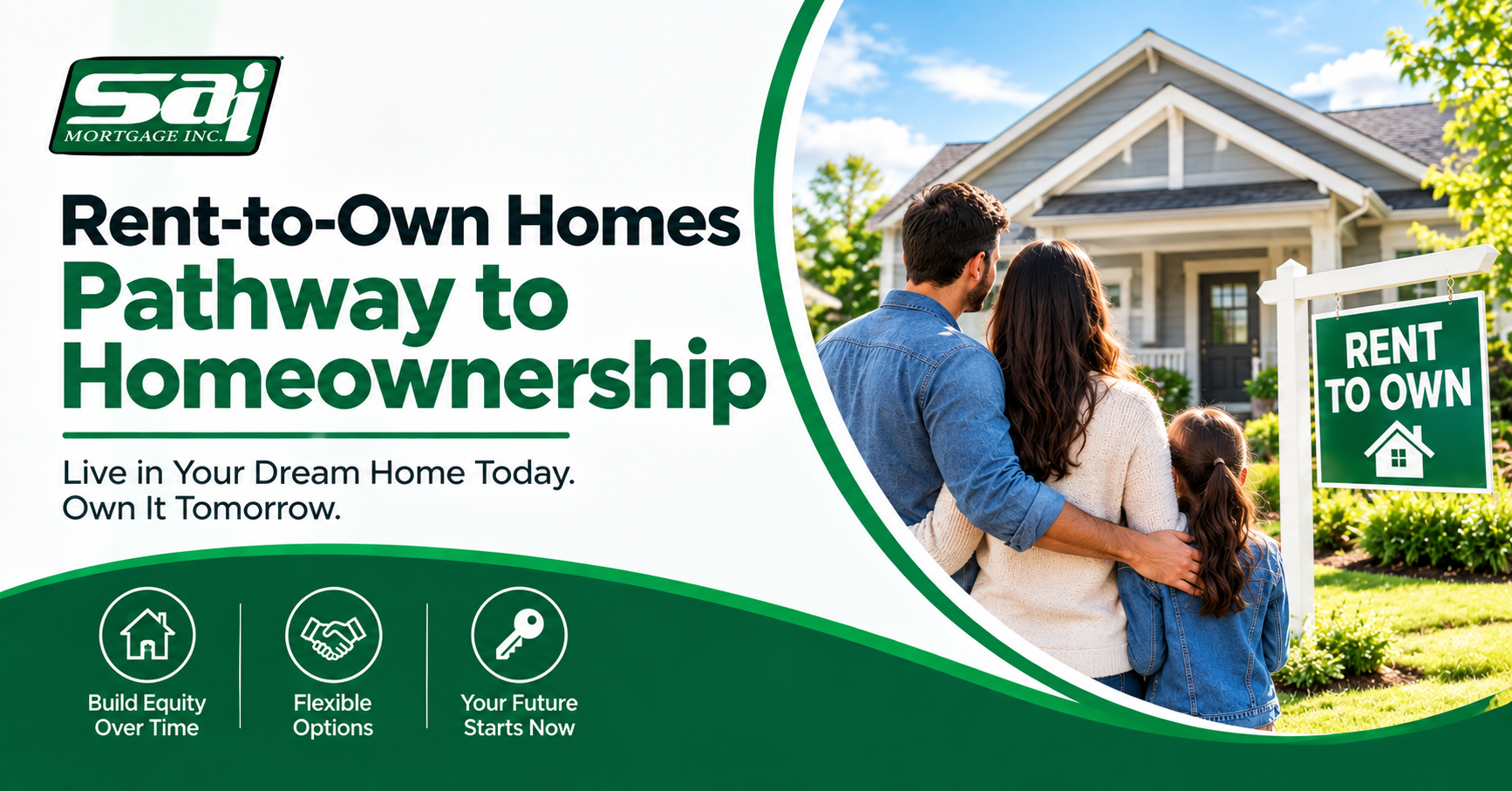
Rent-to-own agreements provide a unique path to ownership for homes, sheds, and more. This approach allows individuals to use a property or item while working toward purchasing it over time.
Whether you’re looking for rent-to-own sheds near me or exploring lease-to-own homes, understanding the nuances is crucial. In this article, we will break down the rent-to-own process, highlight the key considerations, and help you make informed decisions. Let’s dive into how to navigate this flexible option for acquiring what you need.
Table of Contents
ToggleWhat Does Rent-to-Own Mean?
Rent-to-own means you pay to use something now, with a path to buy it later or own it after a set number of payments. In housing, that may involve renting a property while part of the agreement gives you the option, or sometimes the obligation, to purchase it later. With items like sheds or trailers, the setup is usually more direct: you make scheduled payments until the item is paid off under the contract.
I’m a fan of this model only when the buyer treats it like a serious financial decision, not a shortcut. The mistake I’ve seen people make is focusing on the monthly payment while ignoring the full amount they’ll pay over the life of the deal. A low payment can still become expensive if the term is long or fees stack up.
The Rent-to-Own Process From Start To Finish
The process usually starts with choosing the property or item, reviewing the contract, making an upfront payment if required, and then following a payment schedule. For a rent-to-own home, the contract should explain the purchase price, option fee, monthly rent, rent credits if any, maintenance duties, and the date by which a purchase decision must be made.
For sheds, trailers, furniture, and similar items, the agreement is often simpler, but that doesn’t mean you should skim it. Look for delivery fees, early payoff rules, late payment policies, damage responsibility, and what happens if you miss payments.
A practical review should include:
- Confirm the final purchase terms. Know whether you’re guaranteed the right to buy, simply given an option, or expected to complete the purchase.
- Calculate the full cost. Add every payment, fee, deposit, and delivery charge.
- Check cancellation rules. Some agreements let you return the item, while others carry penalties.
- Ask who handles repairs. This matters a lot for lease-to-own homes and larger items.
- Get everything in writing. Verbal promises don’t help much if the contract says something different.
Where The Model Makes Sense
The model can make sense when you need time to improve credit, save for a down payment, test a property, or get immediate use from an item without paying the full price upfront. For example, people looking at rent-to-own homes may be trying to move before they qualify for a traditional mortgage. That can be reasonable, as long as the agreement gives them a realistic chance to buy.
It can also work for storage and utility needs. Someone searching for rent-to-own sheds near me may need backyard storage now, not six months from now. The same goes for rent-to-own storage sheds near me, especially when a garage is packed, a small business needs extra space, or seasonal equipment needs protection.
Why Do People Choose This Instead Of Buying Outright?
People choose this route because it lowers the upfront barrier and gives them time. That’s the honest appeal. Instead of saving the full purchase price before getting access, they can begin using the home, shed, trailer, or product while spreading payments out.
That said, convenience has a price. Rent-to-own sheds, rent-to-own trailers, and rent-to-own gaming products can cost more overall than buying with cash. I don’t think that makes them automatically bad, but I do think buyers should compare the total cost before deciding. If the item is essential and the contract is clear, it may be worth it. If it’s just a want, pause before signing.
Homes Require The Most Careful Review
Housing agreements deserve extra attention because the stakes are higher. When people search for rent-to-own houses near me, rent-to-own homes near me, houses rent to own near me, or houses for rent-to-own in Albuquerque, they’re often hoping for a path into ownership. That hope is valid, but the contract has to support it.
A strong housing agreement should be clear about:
- The purchase price or how it will be set later
- The option fee and whether it applies to the purchase
- Any rent credit and how it’s calculated
- Inspection rights before signing
- Property tax, insurance, and repair responsibilities
- What happens if financing isn’t ready by the deadline
- Whether the seller can cancel and under what conditions
My view is firm here: never treat a lease-to-own contract like a normal rental application. It’s closer to a real estate transaction, and you should read it with that level of seriousness. If possible, have a qualified real estate professional or attorney review it before you commit.
Storage, Trailers, And Gaming Purchases Are Different
Smaller purchases usually have shorter contracts and fewer moving parts, but the same principle applies: the payment schedule matters more than the advertised monthly price. A shed agreement might feel simple because you can see the product and know where it will sit. Still, you should confirm who owns it during the payment period and whether missed payments can lead to repossession.
Trailers need the same care. Check title transfer, registration, maintenance, insurance, and pickup rules. With gaming equipment, the big question is whether the product will still feel worth the total cost by the time you’ve finished paying. Technology ages quickly, so rent-to-own gaming is best for people who truly need the setup now and understand the premium they may pay.
Common Warning Signs In An Agreement
A good agreement should be boring in the best way, clear, specific, and easy to follow. If the seller or company avoids direct answers, rushes you, or says the paperwork is “standard” without letting you review it, slow down.
Watch for these red flags:
- The total purchase cost is hard to find
- The contract doesn’t explain late fees clearly
- Important promises are missing from the paperwork
- The purchase price can change without a clear formula
- Maintenance duties are vague
- You lose all credits after one missed payment
- You’re pressured to sign before comparing options
If you see two or more of these, I’d step back. A fair deal can handle questions.
How Sai Mortgage Can Help
Sai Mortgage can help buyers sort through the financing side of a home purchase, especially when a rental period is being used to prepare for ownership. Services may include mortgage guidance, loan option reviews, pre-approval support, document preparation, and help understanding what lenders look for before approval.
The trust factor matters here, and working with a mortgage team that explains the process plainly can reduce surprises. Their expertise can help you spot financing gaps early, while steady customer support keeps you from guessing about next steps. The real result is clarity, a better plan, and stronger confidence before you commit to a purchase timeline. If you’re considering your next move, contact Sai Mortgage by phone or through the contact link.
Conclusion
The best agreements are clear, affordable, and realistic from day one. Don’t sign because the monthly number feels comfortable. Read the full contract, compare the total cost, ask direct questions, and make sure the path to ownership actually fits your budget and timeline.
Frequently Asked Questions:
Is rent-to-own a good idea?
It can be a good idea if the contract is clear, the total cost is affordable, and you have a realistic plan to complete the purchase. It’s not a good idea if you’re relying on vague promises, ignoring fees, or stretching your budget just to qualify.
Do lease-to-own homes help buyers with credit issues?
Lease-to-own homes can give buyers time to improve credit before applying for a mortgage, but the agreement itself usually doesn’t fix credit. You still need to pay bills on time, reduce debt, and prepare for financing before the purchase deadline.
What should I ask before signing a rent-to-own home contract?
Ask about the purchase price, option fee, rent credits, inspection rights, repair duties, financing deadline, and cancellation rules. You should also ask what happens if you decide not to buy or can’t qualify for a mortgage on time.
Are rent-to-own products more expensive than buying outright?
Often, yes. The monthly payment may look manageable, but the full cost can be higher than a cash purchase. Always multiply the payment by the number of payments, then add fees, delivery charges, and any required deposits.
Can I pay off a lease-to-own agreement early?
Some agreements allow early payoff, and some may even reduce the remaining cost. Others have strict schedules or fees. Before signing, ask for the early payoff policy in writing so you know your options if your finances improve.